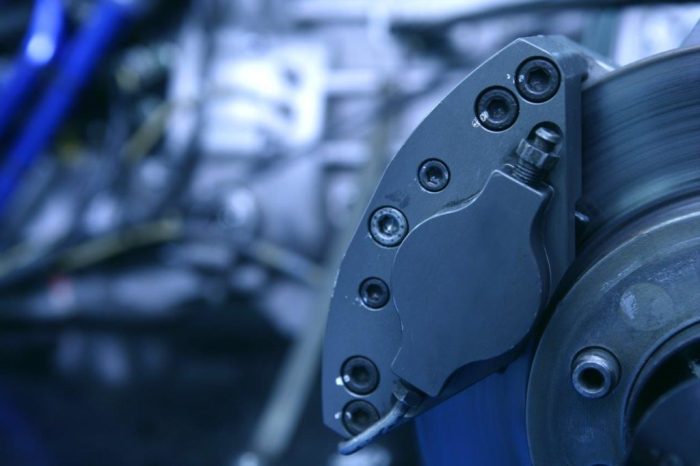
Regenerative braking aftermarket kits are revolutionizing the automotive landscape, providing a smart solution for reducing energy waste while enhancing vehicle performance. By capturing and reusing energy typically lost during braking, these kits not only contribute to better fuel efficiency but also promote eco-friendliness — a win-win for both drivers and the environment.
With a variety of aftermarket kits available, vehicle owners can easily upgrade their existing systems, leading to improved driving experiences across different vehicle types. From hybrids to classic cars, these kits offer a blend of innovation and practicality, making them an appealing choice for tech-savvy drivers looking to maximize their vehicle’s potential.
Overview of Regenerative Braking Aftermarket Kits
Regenerative braking systems have become a key feature in modern vehicles, providing a means to recover energy that would otherwise be lost during braking. This technology not only enhances efficiency but also contributes to a greener environment by reducing emissions. Aftermarket kits specifically designed to enhance regenerative braking systems are gaining popularity among car enthusiasts and eco-conscious drivers alike.These aftermarket kits come in various forms, catering to different vehicle types, including hybrids, electric vehicles, and even traditional gasoline-powered cars.
By installing a regenerative braking kit, drivers can gain numerous advantages, such as improved energy efficiency and reduced wear on brake components. Overall, these kits serve as an excellent upgrade for anyone looking to enhance their vehicle’s performance and sustainability.
Advantages of Regenerative Braking Systems
The use of regenerative braking technology presents a host of environmental benefits. Unlike traditional braking systems that convert kinetic energy into heat, regenerative braking captures some of that energy and converts it into electricity, which can be used to power the vehicle or recharge its batteries. This not only reduces reliance on fossil fuels but also minimizes harmful emissions, contributing to cleaner air.In addition to environmental benefits, regenerative braking significantly improves fuel efficiency, especially in hybrid and electric vehicles.
By harnessing energy during braking, these vehicles can operate more efficiently, leading to longer driving ranges and reduced fuel costs. Vehicle owners may notice significant cost savings over time as the efficiency of their vehicles improves with the implementation of regenerative braking systems.
Types of Regenerative Braking Aftermarket Kits
There are several types of regenerative braking kits available on the market, each designed to meet the specific needs of different vehicles. Some common types include:
- Electric Vehicle Kits: Tailored for electric cars, these kits optimize energy recovery during braking.
- Hybrid Vehicle Kits: Designed for hybrids, these kits enhance the existing regenerative braking systems.
- Universal Kits: Suitable for various vehicle types, these kits can be customized to fit different makes and models.
Compatibility is crucial when selecting a regenerative braking kit, as not all kits are suitable for every vehicle model. It’s essential to verify that the kit is designed specifically for the vehicle type, whether it be a hybrid, SUV, or truck.
Installation Procedures for Aftermarket Kits
Installing a regenerative braking kit can enhance a vehicle’s performance, but it requires careful attention to detail. Here’s a step-by-step guide to help with the installation process:
- Gather necessary tools: You will need basic automotive tools such as wrenches, screwdrivers, and possibly a multimeter.
- Disconnect the battery: For safety, always disconnect the vehicle’s battery before starting the installation.
- Remove old brake components: Carefully detach the existing braking components as necessary to make room for the new kit.
- Install the regenerative braking kit: Follow the manufacturer’s instructions for installing the new components accurately.
- Reconnect the battery: Once everything is in place, reconnect the battery and test the system.
Safety precautions should be a top priority during the installation process. Always wear protective gear and ensure that the vehicle is securely elevated if working underneath.
Performance Metrics of Regenerative Braking Kits
To evaluate the effectiveness of regenerative braking systems, several performance metrics can be measured. Key indicators include:
- Energy Recovery Rate: The percentage of energy recovered during braking compared to the total energy consumed.
- Improvement in Fuel Efficiency: The increase in miles per gallon (MPG) or watt-hours per mile (Wh/mi) after installation.
- Brake Wear Reduction: The decrease in wear and tear on traditional braking components due to energy recovery.
Users who have installed aftermarket regenerative braking kits often report noticeable performance improvements. For example, many see a reduction in fuel consumption by up to 20%, depending on driving habits and vehicle type. A graphical representation may show the expected versus actual performance metrics for different vehicle categories, highlighting the tangible benefits of these kits.
Automotive Buying and Selling Considerations
When purchasing vehicles equipped with regenerative braking technology, several factors should be considered. Buyers should assess the condition of the regenerative system and inquire about its maintenance history. Additionally, understanding the potential savings from improved fuel efficiency can help in making an informed decision.For sellers, marketing a vehicle with an aftermarket regenerative braking kit can provide a competitive edge. Highlighting the benefits, such as enhanced fuel economy and reduced brake wear, can attract eco-conscious buyers.
A checklist for buyers evaluating the value of regenerative braking in used cars can include:
- Check the age and condition of the regenerative braking system.
- Ask for documentation of performance improvements.
- Verify compatibility with the buyer’s driving requirements.
Customizing Your Vehicle with Regenerative Braking
Regenerative braking kits can be an exciting addition to car detailing and customization projects. They not only enhance performance but can also be integrated with other systems, such as mobile audio and video setups, for an improved driving experience. Car enthusiasts can explore creative customization methods that complement regenerative braking technology, such as:
- Upgrading to high-efficiency tires that maximize energy recovery.
- Implementing advanced vehicle monitoring systems that track energy recovery in real-time.
- Integrating custom dashboards that display regenerative braking performance metrics.
Future Trends in Regenerative Braking Technology
The realm of regenerative braking technology is continuously evolving, with emerging technologies promising to further enhance efficiency. Innovations such as advanced materials for brake components and smart braking systems that adapt based on driving conditions are on the horizon.The role of regenerative braking is crucial in the evolution of electric vehicles, pushing the boundaries of sustainability in automotive design. Compared to past technologies, current trends emphasize greater energy recovery rates and integration with other vehicle systems, leading to advancements in overall performance.
Case Studies of Regenerative Braking in Classic Cars
Classic cars retrofitted with regenerative braking systems demonstrate the versatility and potential of this technology. Many enthusiasts have successfully integrated such systems into their beloved vehicles, showcasing impressive results. However, challenges such as space constraints and compatibility issues can arise during the retrofitting process.Testimonials from classic car owners reveal a newfound appreciation for their vehicles, as regenerative braking enhances both performance and sustainability.
Many report smoother driving experiences and reduced maintenance costs, proving that even classic vehicles can benefit from modern technology.
Final Summary
In summary, regenerative braking aftermarket kits offer numerous benefits, from environmental advantages to enhanced fuel efficiency and performance improvements. As the automotive industry continues to evolve, these kits represent a significant step towards a sustainable future, providing drivers with the tools they need to adapt and upgrade their vehicles while enjoying a more efficient ride. Embracing this technology means joining the movement towards smarter, greener driving.
FAQ
What is regenerative braking?
Regenerative braking is a technology that recovers kinetic energy during braking and converts it into electrical energy, which can be reused to power the vehicle.
Can any vehicle use regenerative braking aftermarket kits?
While many vehicles can benefit from aftermarket kits, it’s essential to check compatibility with your specific model to ensure proper installation and performance.
How much can I save on fuel with regenerative braking?
Fuel savings can vary based on driving habits and vehicle type, but vehicles equipped with regenerative braking often see noticeable improvements in fuel efficiency.
Is installing a regenerative braking kit difficult?
Installation can vary in complexity, but many kits come with step-by-step guides to aid in the process, making it manageable for those with basic mechanical skills.
Do regenerative braking kits require maintenance?
Generally, regenerative braking systems require minimal maintenance, but it’s advisable to periodically check the components for wear and tear to ensure optimal performance.