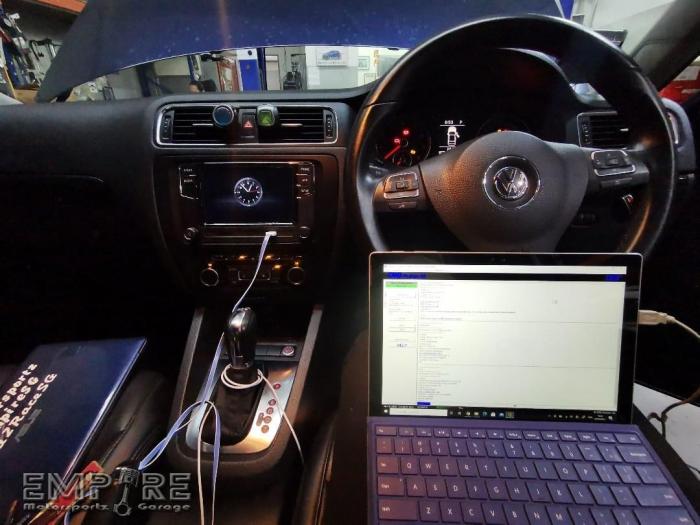
Ride-by-wire custom ECU tuning is redefining how we experience driving, offering enhanced performance and responsiveness that traditional systems simply can’t match.
By replacing mechanical throttle controls with electronic systems, ride-by-wire technology enables more precise handling and optimizes vehicle performance. This article dives into the nuances of custom ECU tuning specifically tailored for these advanced systems, highlighting its benefits and the transformative impact it has on modern vehicles.
Understanding Ride-by-Wire Technology
Ride-by-wire technology is revolutionizing the driving experience in modern vehicles by replacing traditional mechanical throttle controls with electronic systems. This innovation allows for more precise control of engine power, greater fuel efficiency, and enhanced safety features. By eliminating the physical linkage between the accelerator pedal and the throttle body, ride-by-wire systems can offer a smoother and more responsive driving experience.The primary difference between ride-by-wire systems and traditional throttle controls lies in the technology used to manage acceleration.
While traditional systems rely on cables and levers that physically connect the pedal to the throttle, ride-by-wire systems utilize sensors and electronic signals to communicate the driver’s intentions to the engine control unit (ECU). This approach not only enhances performance but also allows for advanced features like adaptive cruise control and traction management systems, making it an integral part of contemporary automotive design.
Benefits of Ride-by-Wire Systems
The benefits of ride-by-wire technology are numerous and impactful:
- Improved Responsiveness: Throttle response is nearly instantaneous, providing a more engaging driving experience.
- Enhanced Safety Features: Integration with stability control systems helps prevent skids and maintain control in slippery conditions.
- Fuel Efficiency: Precise control over throttle operation can lead to better fuel economy.
- Customization: Allows for software adjustments to optimize performance according to driver preferences.
Custom ECU Tuning for Ride-by-Wire Systems
Custom ECU tuning plays a crucial role in maximizing the potential of ride-by-wire systems. This process involves modifying the factory settings of the ECU to enhance vehicle performance, responsiveness, and drivability. Tuning can significantly impact how the vehicle behaves under various driving conditions, leading to a more personalized driving experience.The process of ECU tuning for ride-by-wire systems typically involves several stages, including diagnostic assessments, data logging, and mapping adjustments.
By analyzing the vehicle’s performance metrics, tuners can create a custom map that optimizes engine output, throttle response, and fuel efficiency. The result is a vehicle that not only performs better but also responds more intuitively to driver inputs.
Optimizing Performance through Custom ECU Mapping
Custom ECU mapping is essential for unlocking the full capabilities of ride-by-wire technology. The following are key strategies used in the mapping process:
- Throttle Mapping: Adjusting the relationship between accelerator pedal input and throttle position for a more linear response.
- Power Band Optimization: Modifying engine characteristics to enhance power delivery across different RPM ranges.
- Fuel Mapping: Fine-tuning fuel delivery to ensure the optimal air-fuel mixture for performance and efficiency.
Automotive Buying and Selling with ECU Considerations
When it comes to buying or selling vehicles equipped with ride-by-wire technology, there are several important factors to consider. These can greatly influence the decision-making process for both buyers and sellers, particularly concerning ECU tuning history and its implications for vehicle performance and value.Understanding the vehicle’s ECU tuning history can significantly impact resale value. A well-documented tuning history can assure potential buyers that the vehicle has been maintained and optimized correctly.
Buyers should inquire about any modifications made to the ECU, as improper tuning can lead to performance issues and could void warranties.
Factors to Consider When Buying Ride-by-Wire Vehicles
When purchasing a ride-by-wire vehicle, potential buyers should keep the following points in mind:
- ECU Tuning Records: Request documentation regarding any ECU tuning that has been performed.
- Inspection for Modifications: Check for any aftermarket modifications that could affect warranty or reliability.
- Test Drive Experience: Ensure that the vehicle responds as expected during a test drive.
Car Detailing and Customization for Enhanced Performance
Car detailing not only enhances the aesthetic appeal of a vehicle but can also impact the performance of ride-by-wire systems. A clean and well-maintained vehicle can operate more efficiently, leading to improved performance metrics. Detailing involves thorough cleaning and rejuvenation of the vehicle’s interior and exterior, which can help maintain optimal working conditions for all systems, including the ECU.Customizing ride-by-wire vehicles can further enhance performance.
Modifications such as upgraded exhaust systems, performance air intakes, and tuning software can complement the existing ride-by-wire technology to achieve an exhilarating driving experience.
Tips for Customizing Ride-by-Wire Vehicles
When considering customization for ride-by-wire vehicles, it is essential to balance performance enhancements with aesthetic modifications. Here are some tips:
- Performance Exhaust Systems: Improve engine breathing to increase power output.
- Sports Air Filters: Enhance airflow to the engine, improving efficiency and throttle response.
- Aerodynamic Enhancements: Consider body kits or spoilers that improve downforce without adding excessive weight.
Classic Cars and Ride-by-Wire Integration
Integrating ride-by-wire technology into classic cars presents unique challenges and opportunities. While traditional vehicles are designed with mechanical throttle systems, retrofitting them with modern technology can greatly enhance performance and drivability.The benefits of installing custom ECUs in classic models include improved fuel efficiency, better throttle response, and access to modern driving aids. However, there are drawbacks such as potential compatibility issues with existing components and the need for skilled professionals to perform the retrofitting.
Benefits and Drawbacks of Installing Custom ECUs
The integration of modern ECUs into classic cars can lead to significant improvements, but it also comes with challenges:
- Enhanced Performance: Greater control over engine management leads to improved power delivery.
- Increased Value: A well-executed retrofit can enhance the vehicle’s desirability and market value.
- Complex Installation: Requires expertise to ensure compatibility with existing systems.
Hybrid and Energy Efficient Vehicles with ECU Tuning
ECU tuning plays a pivotal role in optimizing hybrid and energy-efficient vehicles. By adjusting the software settings within the vehicle’s ECU, tuners can enhance performance while maintaining fuel efficiency. This is crucial in a landscape where environmental concerns and fuel economy are increasingly prioritized.Ride-by-wire technology complements hybrid systems by allowing for seamless transitions between electric and gasoline power, resulting in a smoother driving experience and improved fuel efficiency.
Tuning Strategies for Eco-Friendly Vehicles
Maximizing performance in hybrid and energy-efficient vehicles through ECU tuning involves several strategies:
- Battery Management Optimization: Ensuring efficient use of electric power and prolonging battery life.
- Throttle Control Adjustments: Fine-tuning throttle response to enhance driving dynamics while optimizing fuel consumption.
- Regenerative Braking Enhancements: Improving the efficiency of energy recovery systems during braking.
Mobile Audio and Video Integration with Ride-by-Wire
Ride-by-wire technology can also be integrated with high-tech mobile audio and video systems, enhancing the overall driving experience. Modern vehicles equipped with ride-by-wire often feature advanced infotainment systems that require compatibility with various audio and video interfaces.The presence of sophisticated audio and video systems can significantly elevate the enjoyment of the driving experience. However, it is important to ensure that these enhancements do not interfere with the vehicle’s ECU tuning or performance.
Recommendations for Enhancing System Performance
To enhance the performance of audio and video systems in ride-by-wire vehicles, consider the following recommendations:
- Quality Speakers: Invest in high-quality speakers that deliver clear sound without distortion.
- Amplifiers: Use amplifiers to boost audio output without compromising the vehicle’s electrical system.
- Compatibility Checks: Ensure that any new systems are compatible with existing ECU settings to avoid performance issues.
Maintenance and Repairs for Ride-by-Wire Vehicles
Routine maintenance is critical for ensuring the longevity and performance of ride-by-wire vehicles. Special attention should be given to the electronic components and sensors that manage throttle response and engine performance. Regular diagnostics can help identify issues before they escalate into significant problems.Common issues encountered in ride-by-wire vehicles include sensor failures or calibration errors, which can lead to poor throttle response or reduced performance.
Addressing these issues promptly is essential for maintaining the vehicle’s functionality.
Best Practices for Maintaining Custom ECU Setups
To ensure the longevity of custom ECU setups in ride-by-wire vehicles, follow these maintenance best practices:
- Regular Diagnostic Checks: Perform routine diagnostics to identify any potential software or hardware issues.
- Firmware Updates: Keep the ECU firmware up to date to benefit from manufacturer improvements and fixes.
- Clean Sensors: Regularly clean throttle position sensors and other electronic components to prevent malfunctions.
SUVs, Trucks, and Vans with Ride-by-Wire Features
Ride-by-wire technology is being effectively utilized across various vehicle types, including SUVs, trucks, and vans. Each vehicle type presents unique applications and benefits of this technology that cater to different consumer needs and preferences.Performance tuning for ride-by-wire-equipped vehicles can vary greatly based on vehicle type and intended use. For instance, a truck may require a different tuning strategy compared to a sport SUV, emphasizing towing capacity versus agility.
Consumer Preferences for Ride-by-Wire Vehicles
When choosing ride-by-wire equipped vehicles, consumers often consider several factors:
- Performance Needs: Preferences vary based on whether the vehicle is for work, leisure, or performance.
- Technology Features: The availability of advanced driver assistance systems often influences purchasing decisions.
- Fuel Efficiency: With rising fuel costs, buyers are increasingly looking for vehicles that offer better fuel economy.
Future Trends in Ride-by-Wire and ECU Technologies
The future of ride-by-wire technology and ECU tuning is poised for exciting advancements. Emerging trends indicate a shift towards more integrated systems that offer enhanced performance, adaptability, and connectivity.As electric and hybrid vehicles continue to dominate the market, the evolution of ride-by-wire systems will likely focus on optimizing energy management and refining driver experience. The integration of artificial intelligence and machine learning into ECU tuning processes may also revolutionize how vehicles adapt to individual driver preferences.
Predictions for the Evolution of Ride-by-Wire Systems
Looking ahead, several predictions can be made regarding the future of ride-by-wire technology:
- Increased Integration: Expect a greater convergence of ride-by-wire with other vehicle control systems, enhancing overall performance.
- Adaptive Tuning Solutions: Development of ECU systems that automatically adjust performance parameters based on driving conditions.
- Environmental Considerations: A focus on optimizing ride-by-wire systems for eco-friendliness and sustainability in vehicle design.
Closing Notes
In conclusion, ride-by-wire custom ECU tuning not only elevates the driving experience but also represents a significant leap forward in automotive technology. As we embrace these advancements, enthusiasts and everyday drivers alike can look forward to a future where their vehicles respond with unparalleled accuracy and efficiency.
Question Bank
What is ride-by-wire custom ECU tuning?
It’s the process of optimizing a vehicle’s ECU specifically for ride-by-wire systems to enhance throttle response and overall performance.
How does ride-by-wire differ from traditional systems?
Ride-by-wire systems use electronic controls instead of mechanical linkages, providing more precise throttle control and quicker response times.
Can ride-by-wire systems be retrofitted to classic cars?
Yes, but it requires careful integration and consideration of the vehicle’s existing systems for compatibility.
What benefits does ECU tuning provide for hybrid vehicles?
ECU tuning can optimize fuel efficiency and performance, making hybrid vehicles more responsive and economical to drive.
Is routine maintenance different for ride-by-wire vehicles?
Yes, ride-by-wire systems may require specific maintenance practices to ensure reliable performance and longevity.