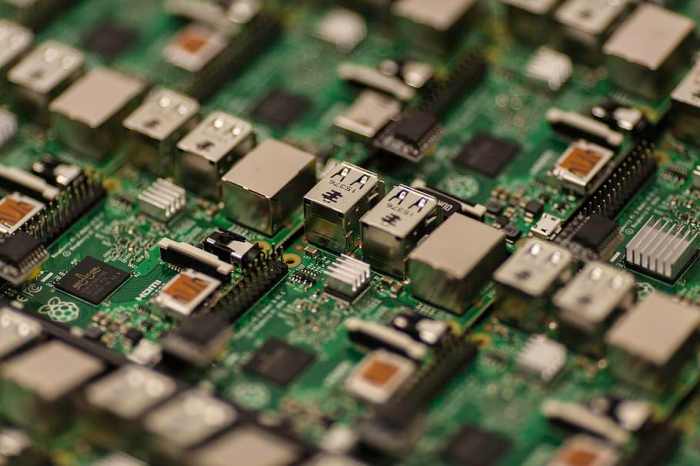
Chip shortage auto industry impact has radically transformed the automotive landscape, creating a ripple effect felt by manufacturers, consumers, and enthusiasts alike. The unprecedented shortage of semiconductors, vital for modern vehicle technology, traces its roots back to a combination of global disruptions and increased demand for electronics.
As the auto industry grapples with delayed production and soaring prices, understanding the full scope of this crisis becomes crucial for anyone invested in vehicles. From shifts in consumer behavior to innovations in automotive technology, the implications of the chip shortage are vast and far-reaching.
Overview of the Chip Shortage
The ongoing chip shortage has significantly impacted the auto industry, stemming from a complex interplay of global events. Initially sparked by the COVID-19 pandemic, the demand for electronic devices surged as people transitioned to remote work and online activities. This unexpected spike in semiconductor demand coincided with production halts in manufacturing plants, creating a perfect storm for supply shortages. The chip shortage timeline began in early 2020 and has continued to evolve, with various factors exacerbating the situation.
Here are the key elements contributing to this crisis:
- Increased Demand: The rise in electronic consumption during the pandemic led to a higher demand for semiconductors.
- Manufacturing Disruptions: Lockdowns and restrictions led to temporary closures of chip manufacturing plants.
- Geopolitical Tensions: Trade conflicts and restrictions, particularly between the U.S. and China, have also strained supply chains.
- Natural Disasters: Events like the Texas winter storm in 2021 further disrupted production capabilities.
Impact on Vehicle Production
The chip shortage has profoundly affected vehicle production rates across the globe. Many automotive giants have reported significant reductions in their output as they grapple with the limited availability of essential components. In some cases, production has been slashed by as much as 50%, leading to a ripple effect throughout the supply chain.Statistics illustrate the severity of these production decreases:
- General Motors reported a production decrease of about 40%, halting operations at multiple plants.
- Toyota initially predicted a cut of 300,000 vehicles but later revised this to 1.5 million due to ongoing supply issues.
- Ford has faced similar challenges, affecting its overall production targets for the year.
These production challenges are not merely short-term inconveniences; they have long-term implications for production schedules, supplier relationships, and inventory management strategies.
Effects on Automotive Buying and Selling
The chip shortage has resulted in notable changes in vehicle pricing, driven by supply constraints. As production slowed and inventories dwindled, pricing dynamics shifted dramatically. Buyers are now facing higher prices due to limited supply, with some vehicles seeing price increases of up to 20%.Consumer purchasing behavior has also transformed during this period:
- Increased Interest in Used Cars: With new vehicles in short supply, consumers are turning towards the used car market.
- Demand for Popular Models: Certain models are experiencing surges in demand, leading to bidding wars among buyers.
- Shifts in Financing Options: Buyers are seeking flexible financing options to cope with rising prices.
Insights from auction trends reveal how the shortage has amplified market demand, with classic and unique vehicles fetching record prices as collectors vie for rare finds.
Automotive Repairs and Maintenance Challenges
The ongoing chip shortage has introduced significant challenges in obtaining parts necessary for vehicle repairs. As manufacturers prioritize the production of new vehicles over replacement parts, repair timelines have lengthened considerably.Mechanics are reporting increased wait times for essential components, which has led to:
- Extended Repair Timelines: Customers are facing delays of weeks, if not months, for repairs due to parts unavailability.
- Rising Costs: Labor and service costs are increasing as shops cope with inventory shortages.
- Alternative Solutions: Some mechanics are exploring creative ways to source parts, including refurbishing existing components.
This situation has prompted both consumers and service providers to rethink their maintenance strategies in favor of more sustainable practices.
Innovations in Automotive Technology
Interestingly, the chip shortage has also spurred innovation within the automotive sector. As manufacturers adapt to the limitations imposed by the shortage, new technologies and features have emerged as a response.Examples of innovation include:
- Enhanced Connectivity: Automakers are prioritizing the development of connected vehicle technologies to optimize existing resources.
- Emphasis on Software: The shortage has increased the focus on upgrading software capabilities in vehicles rather than hardware modifications.
- Shift Towards Hybrid Models: A rise in the production of hybrid and electric vehicles has been noted as companies look to meet changing consumer demands.
This focus on technology not only addresses immediate challenges but also aims to future-proof the industry against similar disruptions.
Impact on Different Vehicle Categories
The chip shortage has not affected all vehicle categories equally. A detailed comparison reveals distinct challenges faced by SUVs, trucks, and vans.Manufacturers are experiencing unique difficulties depending on the vehicle type:
- SUVs: These models are generally in high demand, leading to intense competition among manufacturers for available chips.
- Trucks: Production delays for trucks have been pronounced, as they often require more chips due to advanced features.
- Vans: This category has seen less impact, as consumer demand fluctuates, enabling manufacturers to adapt more readily.
Consumer demand has also shifted, with some buyers gravitating towards SUVs while others remain loyal to traditional truck models, impacting production strategies.
Future Trends in the Automotive Industry
Looking ahead, the automotive industry is poised to undergo significant evolution in the wake of the chip shortage. Predictions suggest a shift in manufacturing processes and consumer behavior, directed by lessons learned during this period.Anticipated changes include:
- Increased Supply Chain Resilience: Manufacturers are likely to diversify their supply sources to mitigate future risks.
- Focus on Sustainability: There will be an ongoing trend towards electric and hybrid vehicles as consumer preferences shift.
- Customization Trends: Greater demand for personalized vehicle features is expected as companies seek to differentiate their offerings.
These trends will shape the future landscape of the automotive industry, ensuring greater adaptability and innovation in response to market needs.
Role of Mobile Audio and Video Technologies
The integration of mobile audio and video technologies has been influenced by the challenges presented by the chip shortage. As manufacturers look to enhance in-vehicle experiences, innovations in this sector have emerged.Key developments include:
- Enhanced Infotainment Systems: Automakers are investing in more sophisticated entertainment options that maximize limited resources.
- Wireless Technologies: The demand for seamless connectivity has led to advancements in wireless audio and video capabilities.
- Increased Consumer Demand: As people spend more time in their vehicles, preferences for integrated technology have surged.
This shift reflects a broader trend towards technological integration in automotive design and consumer expectations.
Shifts in Classic Car Market
The classic car market has not been immune to the effects of the chip shortage. Pricing and demand trends indicate a unique response from collectors and enthusiasts.Insights into this evolving market show:
- Increased Interest: The scarcity of new vehicles has led to a resurgence in classic car appreciation.
- Higher Prices: Classic vehicles are experiencing price increases as collectors seek unique options.
- Challenges in Restoration: The unavailability of parts is hindering restoration projects, causing delays and increased costs.
This situation highlights the resilience of classic car enthusiasts, who continue to navigate the complexities of the market despite ongoing challenges.
Motorcycles and their Supply Chain Issues
The motorcycle industry has faced its own set of challenges due to the chip shortage. Specific models have experienced significant production delays, impacting availability for consumers.Key observations include:
- Production Delays: Popular motorcycle brands have struggled with delays, particularly in high-demand models.
- Shifting Buyer Preferences: Consumers are increasingly gravitating towards models that incorporate advanced technologies.
- Impact on Sales: Rising prices and limited inventory are affecting overall sales trends in the motorcycle market.
The motorcycle industry, much like the automotive sector, is adapting to the realities imposed by the chip shortage, reshaping its future landscape.
Wrap-Up
In conclusion, the chip shortage has not only influenced current production and buying trends but has also set the stage for future changes in the automotive industry. As manufacturers adapt and innovate in response to these challenges, the ongoing evolution of vehicle technology and consumer preferences promises to redefine the market in surprising ways.
Question Bank
What caused the chip shortage in the auto industry?
The chip shortage was primarily caused by supply chain disruptions during the pandemic, coupled with a surge in demand for electronics and automotive technology.
How has the chip shortage impacted vehicle prices?
Vehicle prices have increased significantly due to limited supply, with some models seeing price hikes of up to 20% or more as demand outstrips availability.
What innovations have emerged due to the chip shortage?
Manufacturers have accelerated the development of more efficient and hybrid vehicles, as well as enhancing in-car technology to adapt to the changing landscape.
How has the classic car market been affected?
The classic car market has seen increased prices and demand, as enthusiasts seek to restore older vehicles that do not rely on modern chips.
Are motorcycles also affected by the chip shortage?
Yes, the motorcycle industry has faced similar challenges, with certain models experiencing production delays and shifts in buyer preferences towards models that are less reliant on advanced electronics.


